
Vancouver Commercial Van Scrap Value: Condition Records That Shape an End-of-Service Review Call 236-240-9618 to discuss your vehicle.
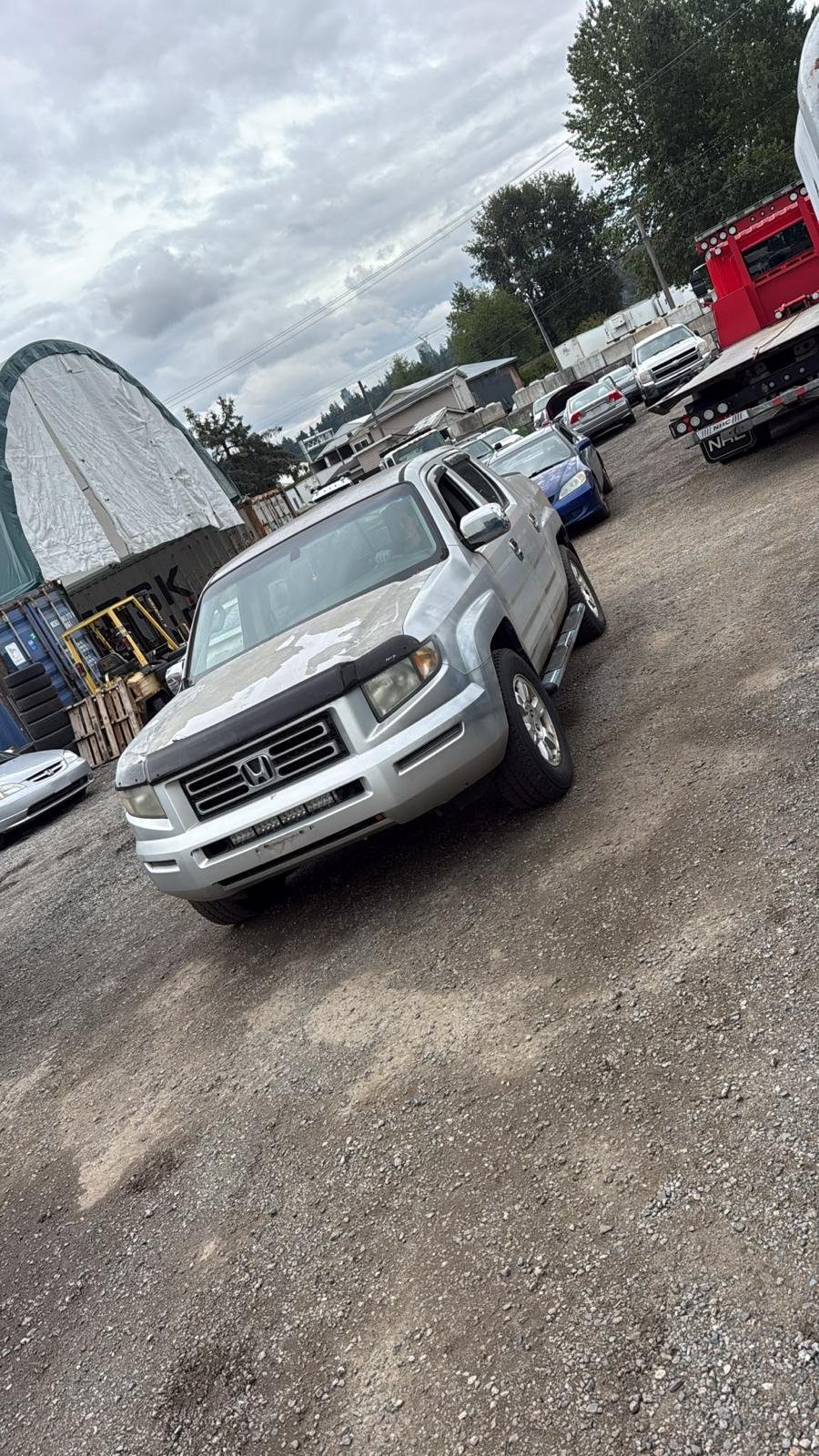
For a Vancouver contractor, delivery company, property manager, or other business, an aging commercial van is more than a vehicle on a balance sheet. Its end-of-service value depends on what is physically present, how clearly its condition can be described, and whether the business can show a coherent record of ownership and use. A van with a complete body, heavy shelving, missing components, accident damage, or a documented mechanical failure may be assessed differently from a similar van with a different configuration. There is no universal price based on the badge or model year alone.
This guide keeps the focus on a seller-side review. It explains the condition records and Vancouver context worth gathering before asking about a commercial van. The goal is a factual conversation about the vehicle’s configuration, mass, condition, paperwork, and access rather than an unsupported price promise.
Why a commercial van is not valued like a standard passenger car
A work van may contain a cargo partition, shelving, ladder racks, refrigeration equipment, lift components, tool storage, or other business-installed items. Those additions can affect the vehicle’s overall weight and the practical work involved in handling it. They can also be damaged, incomplete, or attached in ways that require disclosure. Record the make, model, model year, body style, fuel type, approximate odometer reading, and whether the van is a standard cargo, passenger, cutaway, or specialty configuration.
Condition is equally specific. Describe whether the van starts, rolls, steers, and brakes; whether the battery is present; and whether there is known damage to the engine, transmission, suspension, tires, frame, doors, or cargo body. If it has been parked for an extended period, say so. Do not describe a van as merely “running” if it has warning lights, overheating, fluid leaks, or an intermittent fault. A straightforward condition record helps a buyer distinguish known facts from assumptions.
Records that make the condition easier to assess
- Keep maintenance and repair invoices, fleet inspection sheets, and work orders together. Note dates and odometer readings where available.
- List major replacements or alterations, such as an engine, transmission, catalytic converter, shelving system, refrigeration unit, or lift equipment, without implying that any item adds a fixed amount to the outcome.
- Record whether the van was involved in a collision, flood, fire, vandalism, or a commercial-use incident. Include the date and any claim or repair reference that the business can lawfully share.
- Describe missing keys, removed equipment, flat tires, locked wheels, damaged doors, and any condition that changes how the van can be moved.
- Take clear, current images of all sides, the roof if safe, the cab, cargo area, identification plate, odometer, tires, and visible damage. Images support the record; they do not replace an in-person assessment.
ICBC’s official vehicle-sale guidance says sellers should confirm that they are the registered owner and can provide the signed registration document, APV250. It also recommends gathering receipts for aftermarket purchases, maintenance, and repairs, and obtaining a vehicle history report. For a company-owned van, keep the registration and business asset records consistent, and ask an Autoplan broker about any ownership or documentation issue rather than guessing at the required process.
Vancouver conditions that can affect an end-of-service plan
Physical access and the location where the van is stored are part of a practical value review. A commercial van may sit in a loading lane, a private yard, a parkade, or a narrow service area. These settings are not interchangeable. The City of Vancouver states that commercial loading zones are dedicated areas for commercial vehicles to load or unload materials and that a lane next to a commercial property is classified as a commercial loading zone. The City also says it is illegal to stop in a commercial loading zone or commercial lane without a commercial vehicle permit. Read the City’s commercial loading zones and lanes guidance when planning where a vehicle can be staged.
Give the prospective buyer the actual access facts: the address or general site type, gate width, overhead clearance, surface, slope, turning room, loading-dock restrictions, and whether the van is blocked by another vehicle or structure. A commercial tenant should confirm that the property owner or manager permits the proposed removal activity. Do not assume a public lane, curb, or loading area can be reserved for a pickup.
Vancouver also publishes specific restrictions for large vehicles. According to the City’s large-vehicles guidance, large vehicles such as moving vans and construction trucks can park on the street for up to three hours between 6 a.m. and 10 p.m. and cannot park on the street between 10 p.m. and 6 a.m., subject to the stated exceptions and permit rules. A van’s exact classification and use matter, so treat this as a planning fact to verify rather than a conclusion about a particular vehicle. If a site needs more than three hours of temporary occupancy or overnight parking, review the City’s permit information in advance.
Material and fluid disclosures
End-of-service value should not be discussed without noting fluid and material conditions. Identify known leaks, damaged tanks, batteries, tires, refrigerants, hydraulic equipment, or unusual cargo residues. Never open, drain, or move a hazardous system just to make a van appear easier to handle. A business can state what it knows and ask the receiving operator how the condition should be managed.
British Columbia’s official vehicle recycling guidance explains that dismantling can include draining fluids and dismantling vehicles, and that vehicle crushing can prepare vehicles for transport to scrap metal recyclers. The province says operators who dismantle more than five wet vehicles in a calendar year must register their operation with the B.C. government. This does not establish that every buyer follows a particular process, nor does it create a price. It does show why accurate disclosure of a wet, leaking, or partially dismantled van is important when discussing responsible end-of-service handling.
Separating scrap value from business records
A commercial van’s condition and material characteristics are only one part of the seller’s file. Before contacting a buyer, confirm who is authorized to dispose of the asset. Gather the signed registration, company asset number, lease or finance information if applicable, and any internal approval required for retirement. If the van is leased, financed, jointly owned, or held by a dissolved or reorganized company, pause and verify the authority to sell.
Keep a written note of the vehicle identification number, plate status, keys handed over, accessories left in the van, and the date and location of the handoff. ICBC’s guidance also explains that licence plates remain ICBC property and that plates no longer needed must be returned to ICBC or an Autoplan broker. The seller should separately confirm insurance cancellation or transfer with an Autoplan broker. Those administrative steps are distinct from any assessment of scrap value.
We do not sell used parts.
A practical Vancouver commercial-van inquiry
When you are ready to ask about an end-of-service van, send a concise summary rather than a vague request. Include the vehicle type, VIN or a portion of it where appropriate, approximate weight or configuration information, running and rolling status, known damage, equipment left on the van, fluid concerns, document status, and access conditions. State whether the van is on private property, in a parkade, at a loading area, or on a public street. A written record makes it easier to clarify what is known and what still needs inspection.
We Buy Scrap Cars Vancouver can discuss the information you have assembled for a Vancouver commercial van. Call 236-240-9618 and describe the vehicle honestly, including its condition records and site-access limitations. Any evaluation should be based on the specific van and the facts available, not on a fixed amount, timing, or outcome.