
Navigating ICBC Plate Returns and Insurance Cancellation for Vancouver Scrap Cars Call 236-240-9618 to discuss your vehicle.
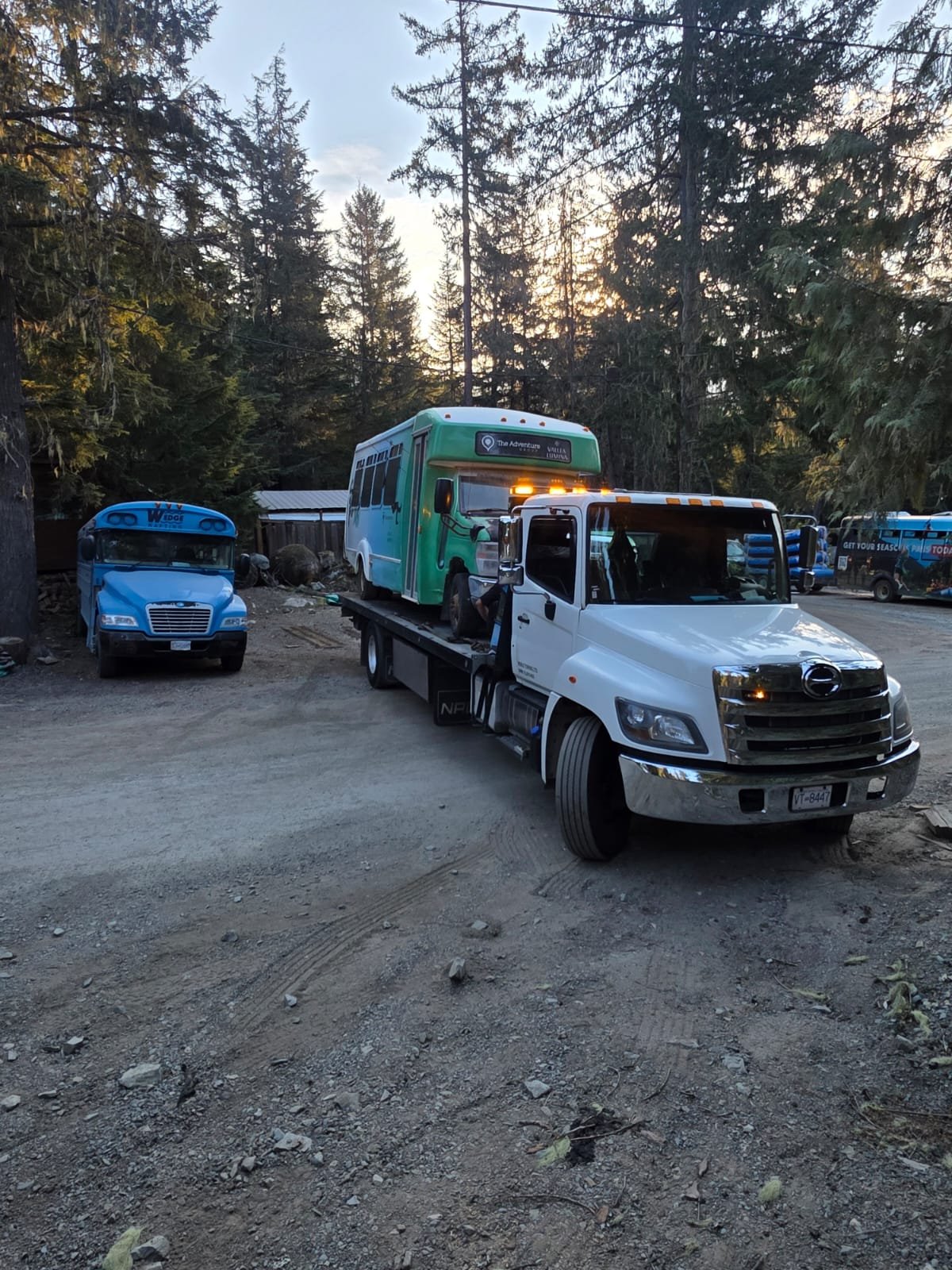
For many residents in the Lower Mainland, the realization that a long-serving vehicle has reached the end of its functional life can be met with a mixture of nostalgia and administrative dread. When a car is no longer roadworthy, the owner’s responsibilities do not simply vanish; the transition from an active commuter vehicle to a scrap candidate involves mandatory steps to ensure legal compliance and environmental safety. In the City of Vancouver, navigating the intersection of municipal bylaws and provincial insurance requirements is critical for any vehicle owner looking to decommission their car. We Buy Scrap Cars Vancouver recognizes the complexities involved in this process and aims to provide clarity for sellers navigating these local regulations.
The Legal Risks of Unlicensed Vehicles in Vancouver
One of the most immediate concerns for Vancouver vehicle owners is the storage of a non-running or uninsured vehicle. It is a common misconception that a car can simply sit on a residential street while the owner decides how to proceed with its disposal. However, local regulations are quite explicit regarding the presence of unlicensed vehicles on public property. According to Section 17.1 of the City of Vancouver Street and Traffic Bylaw No. 2849, the city prohibits the parking of any vehicle on a city street that does not display a valid and subsisting number plate [2]. This means that as soon as you cancel your insurance and remove your plates, the vehicle can no longer remain on the street. Failure to adhere to this bylaw can result in significant fines or the impounding of the vehicle by the city, which adds unnecessary costs to an already difficult situation. Owners must ensure they have a private driveway or garage available if they intend to keep the vehicle after the plates have been removed. By calling 236-240-9618, owners can discuss their situation, keeping in mind that the specific timing and removal schedule will depend entirely on the individual vehicle and the details shared during a direct conversation.
Administrative Steps: The ICBC Plate Return Process
Once the decision has been made to scrap a vehicle, the next hurdle is the administrative cancellation of the insurance policy and the physical return of the license plates to the Insurance Corporation of British Columbia (ICBC). This is not a step that can be ignored, as maintaining an active policy on a vehicle that is no longer in use is a drain on financial resources. In Vancouver, residents have several options for handling these transactions, but one of the primary hubs for these services is the ICBC Driver Licensing office at 4126 MacDonald Street [1]. Visiting the MacDonald Street location allows owners to speak directly with an agent to ensure that all paperwork is filed correctly. When you arrive, you will need to present the license plates and the vehicle’s registration documents. The agent will process the cancellation of your insurance and, depending on the terms of your policy, may issue a refund for the remaining premium. It is vital to note that the actual eligibility for a refund and the finalization of the paperwork are subject to ICBC’s internal policies and the specific status of your vehicle’s file.
Environmental Compliance and Local Disposal Restrictions
Beyond the paperwork, there is the matter of the physical materials that make up an automobile. Vehicles are composed of a variety of substances, many of which are classified as hazardous or restricted under local environmental laws. Vancouver maintains strict standards for how these materials are handled to prevent contamination of the local ecosystem. For instance, the Vancouver South Transfer Station on West Kent Avenue enforces a strict disposal ban on lead-acid batteries and scrap metal [3]. Instead, the city requires that these components be recycled through approved stewardship programs that are equipped to handle the chemical complexities of lead, acid, and various metal alloys. When a vehicle is processed for recycling, these restricted materials are separated and directed to the appropriate facilities. We Buy Scrap Cars Vancouver operates with an understanding of these local requirements, ensuring that the decommissioning process respects the environmental mandates of the region.
Understanding the Valuation and Removal Process
One of the most common questions sellers have is regarding the value of their scrap vehicle. It is important to understand that the market for scrap metal is dynamic, with prices fluctuating based on global demand and local supply. Because of this, no professional service can offer a fixed, guaranteed value without first assessing the specific details of the vehicle. Factors such as the make, model, year, and the presence of high-value components all play a role in the final assessment. We Buy Scrap Cars Vancouver emphasizes that all valuations are subject to a direct conversation and a review of the vehicle’s specifics. Similarly, the timing of the removal is not something that can be promised as a a pickup or removal arrangement. Logistics in a busy city like Vancouver require careful planning, and the availability of removal equipment varies. When you speak with the team, they will provide an estimate of when the vehicle can be picked up based on their current schedule and your location. The goal is to make the process as straightforward as possible for the seller, while adhering to all necessary safety and operational protocols.
Contacting We Buy Scrap Cars Vancouver
If you are a vehicle owner in Vancouver looking to navigate the end-of-life process for your car, reaching out for professional guidance is the best first step. The team at We Buy Scrap Cars Vancouver is familiar with the local landscape, from the ICBC requirements at the MacDonald Street office to the disposal bans at the West Kent Avenue transfer station. By calling 236-240-9618, you can initiate the process and get the information you need to make an informed decision about your vehicle. We do not sell used parts. Our focus is on the efficient and environmentally responsible processing of scrap cars. Furthermore, please be advised that the actual eligibility for our services, the timing of vehicle removal, the specific paperwork required, and the final price offered all depend on the unique characteristics of the vehicle and the details established during a direct conversation with our team. We do not make claims of guaranteed values or specific service windows, as every situation is handled on a case-by-case basis to ensure accuracy and compliance with all regulations.
References
[1] ICBC, “Locators,” https://icbc.com/locators
[2] City of Vancouver, “Street and Traffic Bylaw No. 2849,” https://vancouver.ca/your-government/street-traffic-bylaw.aspx
[3] City of Vancouver, “Transfer Station,” https://vancouver.ca/home-property-development/transfer-station.aspx
Local reference points
These current local reference points help frame a site-specific conversation:
- The ICBC Driver Licensing office at 4126 MacDonald Street in Vancouver serves as a primary location for residents to return license plates and cancel insurance when decommissioning a vehicle. Source 1
- Section 17.1 of the City of Vancouver Street and Traffic Bylaw No. 2849 explicitly prohibits the parking of any vehicle on a city street that does not display a valid and subsisting number plate. Source 2
- The Vancouver South Transfer Station on West Kent Avenue enforces a strict disposal ban on lead-acid batteries and scrap metal, requiring these components to be recycled through approved stewardship programs. Source 3