
Navigating vehicle removal in dense Vancouver requires preparation. For residents in neighborhoods like the West End or Yaletown, urban constraints often extend to parking spaces where unwanted vehicles are kept. When it is time to move on from a scrap car, the first step is learning How to Document a Vehicle Parked in a Tight Vancouver Space. Providing accurate visual and descriptive data to We Buy Scrap Cars Vancouver ensures that the unique challenges of your location are understood. If you are ready to begin, you can reach out directly at 236-240-9618 to discuss the logistics of your vehicle’s position. Call 236-240-9618 to discuss your vehicle.
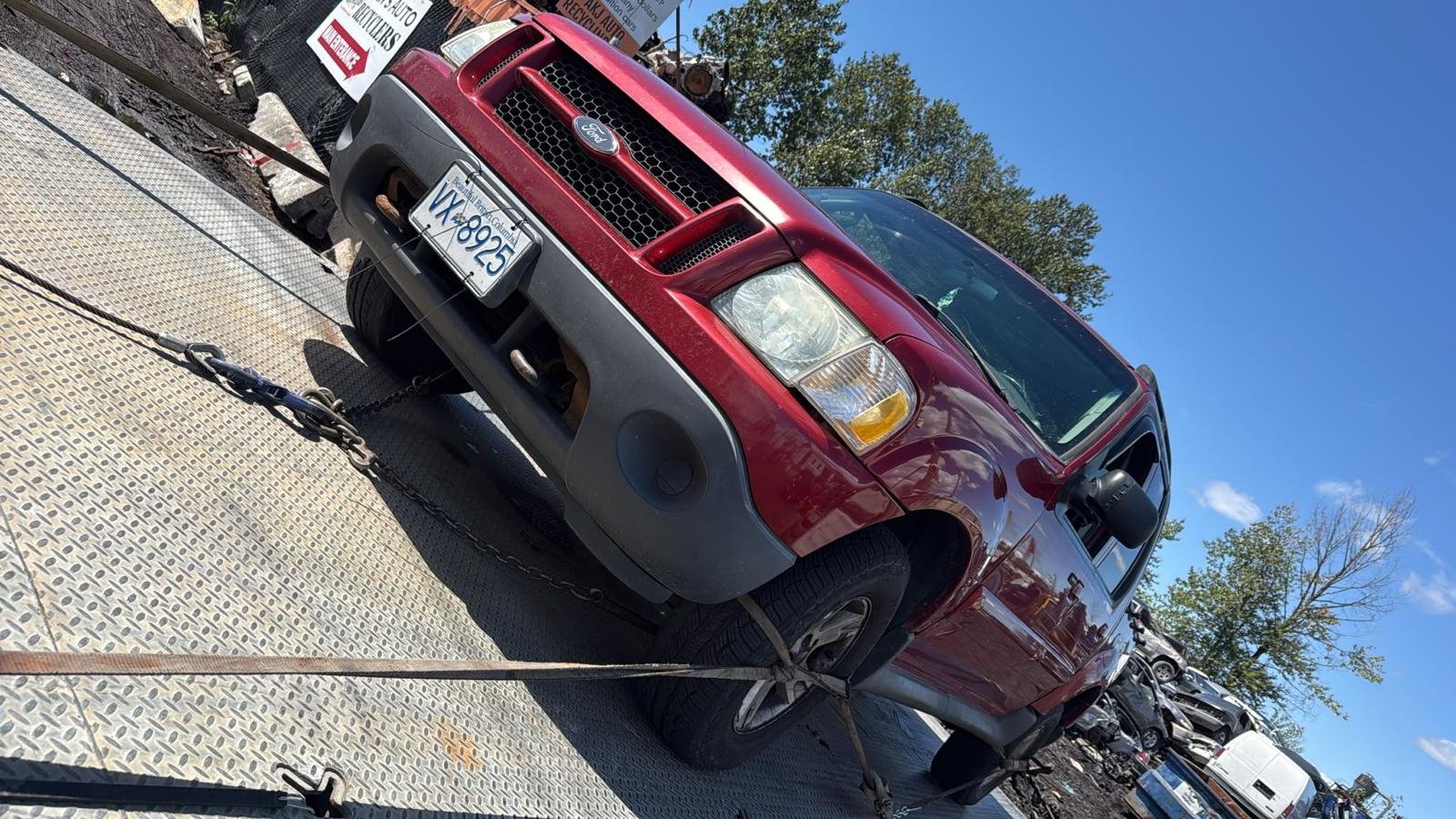
Vancouver’s urban landscape presents hurdles when a vehicle is no longer operational and needs extraction. Whether the car is in a multi-level underground parkade with low ceilings or a narrow driveway shared with neighbors, documentation is the key to a successful removal. By recording the environment and the vehicle’s condition, sellers facilitate a smoother interaction with recovery specialists. The business buys unwanted vehicles or equipment and does not sell used parts. This focus on acquisition means documentation should assess removal logistics rather than the resale value of individual components.
The Importance of Accurate Documentation for Urban Removals
In scrap vehicle removal, documentation bridges the seller’s location and the buyer’s planning. In Vancouver, a “tight spot” can mean many things: a vehicle boxed in by other cars, a car with a seized engine on a steep incline, or a truck with only inches of clearance. Without precise documentation, it is difficult for We Buy Scrap Cars Vancouver to determine the necessary equipment. Sellers who provide comprehensive information upfront are typically more successful in navigating the complexities of urban removal.
Accurate documentation also identifies safety hazards before equipment arrives. In older Vancouver neighborhoods, narrow laneways are often flanked by utility lines, gas meters, or delicate landscaping. Low-hanging wires or overhanging tree branches can obstruct larger recovery vehicles. Documenting these elements ensures the recovery team is aware of their surroundings. This transparency is essential for a safe and professional workflow. If you are unsure about which details are relevant for your location, calling 236-240-9618 is the best way to get direct guidance.
Identifying Potential Access Issues in Vancouver
Before taking photos, perform a walk-around to identify specific access challenges. Vancouver has unique architectural obstacles like the “Vancouver Special” style of housing, which often features narrow side yards or low-clearance carports designed for smaller vehicles. Additionally, many older apartment buildings in the downtown core feature underground parking with tight turns and steep ramps that are difficult for modern recovery equipment to navigate.
Underground Parking and Low Clearance Challenges
Underground parkades are technically challenging environments for vehicle removal. Many structures built decades ago have ceiling heights that barely clear a standard van. If your scrap vehicle is in such a facility, documentation must include the height clearance of the entrance and any low-hanging pipes or ventilation ducts. Note if the vehicle is near a structural pillar or wall, as these limit the range of motion for extraction equipment. Measuring the distance from the vehicle to the nearest exit ramp helps the planning team determine the best path.
Narrow Alleys and Side Street Complications
Vancouver is known for its network of back alleys. While these provide access for residential services, they can be narrow and crowded with garbage bins or neighbors’ vehicles. When documenting a vehicle in an alley, capture the total width at its narrowest point. Note permanent fixtures like fences or telephone poles that cannot be moved. Check for time-restricted parking on adjacent main streets that might impact the logistics of the removal. Photos of the alley entrance from the main street help the recovery team visualize the approach path.
Best Practices for Photographing Your Scrap Vehicle
High-quality photographs are the most effective form of documentation. When photographing a vehicle in a restricted space, provide as close to a 360-degree view as possible. Start with wide-angle “context shots” showing the vehicle in relation to its surroundings. These reveal obstacles and clearance issues more effectively than close-ups. Place a reference object, like a water bottle or measuring tape, in the frame to provide a sense of scale for narrow gaps. This helps the team at We Buy Scrap Cars Vancouver understand the operational room available.
Lighting can be a challenge in Vancouver’s rainy months or dimly lit garages. Take photos during the brightest part of the day for maximum clarity. In dark parkades, use a flashlight rather than just a camera flash, which can create harsh shadows. Ensure photos are sharp and not blurry; a steady hand makes a significant difference. Capturing the condition of the tires is also essential; if tires are flat or wheels are seized, this information must be documented as it changes the equipment required for extraction.
Document the accessibility of the interior if it bears on the removal. For example, if the transmission is locked and cannot be shifted into neutral, the team needs to know. Photos of the dashboard or gear shifter can provide clues to the vehicle’s state. However, the focus remains on the logistics of moving the entire unit. Since the primary goal is the safe removal of the vehicle as a whole from its Vancouver location, providing this technical information upfront is highly beneficial.
Preparing for the Removal Process
Once documentation is complete, organize the information for the specialists. Create a summary including the vehicle’s make, model, year, address, and any access instructions. Having this ready when you call We Buy Scrap Cars Vancouver at 236-240-9618 speeds up the assessment. It is also practical to notify neighbors or building managers who might be affected by the removal, especially if the vehicle is in a shared parking area or a narrow alleyway where temporary obstruction might occur.
Clear communication is the hallmark of a professional transaction. By following these steps for How to Document a Vehicle Parked in a Tight Vancouver Space, you ensure a successful outcome. Vancouver’s density is not a barrier to removing an unwanted vehicle. With the right documentation and a shared understanding of the environment, even tight parking spots are manageable. The team is experienced in handling the city’s geographical challenges, and your preparation is the first step in that collaborative effort.
In conclusion, documentation simplifies moving a vehicle from a cramped Vancouver location. By focusing on constraints and providing visual evidence, you empower specialists to work safely. For more information, visit the homepage at https://webuyscrapcarsvancouver.ca. Your efforts today will result in a smoother process tomorrow. Accurate documentation is the most reliable way to clear your space in Vancouver.