
Vancouver Small-Business Vehicle Fleet Disposal Records and Recycling Plan
When a Vancouver small business retires a service van, delivery car, work truck, or other fleet vehicle, the decision is more than a space-clearing exercise. It is an opportunity to close out an asset in an organized way. A useful vehicle-disposal file helps the owner identify the unit, confirm who had authority to dispose of it, record the condition at handoff, and keep the sale or removal conversation separate from the company’s operating records. Call 236-240-9618 to discuss your vehicle.
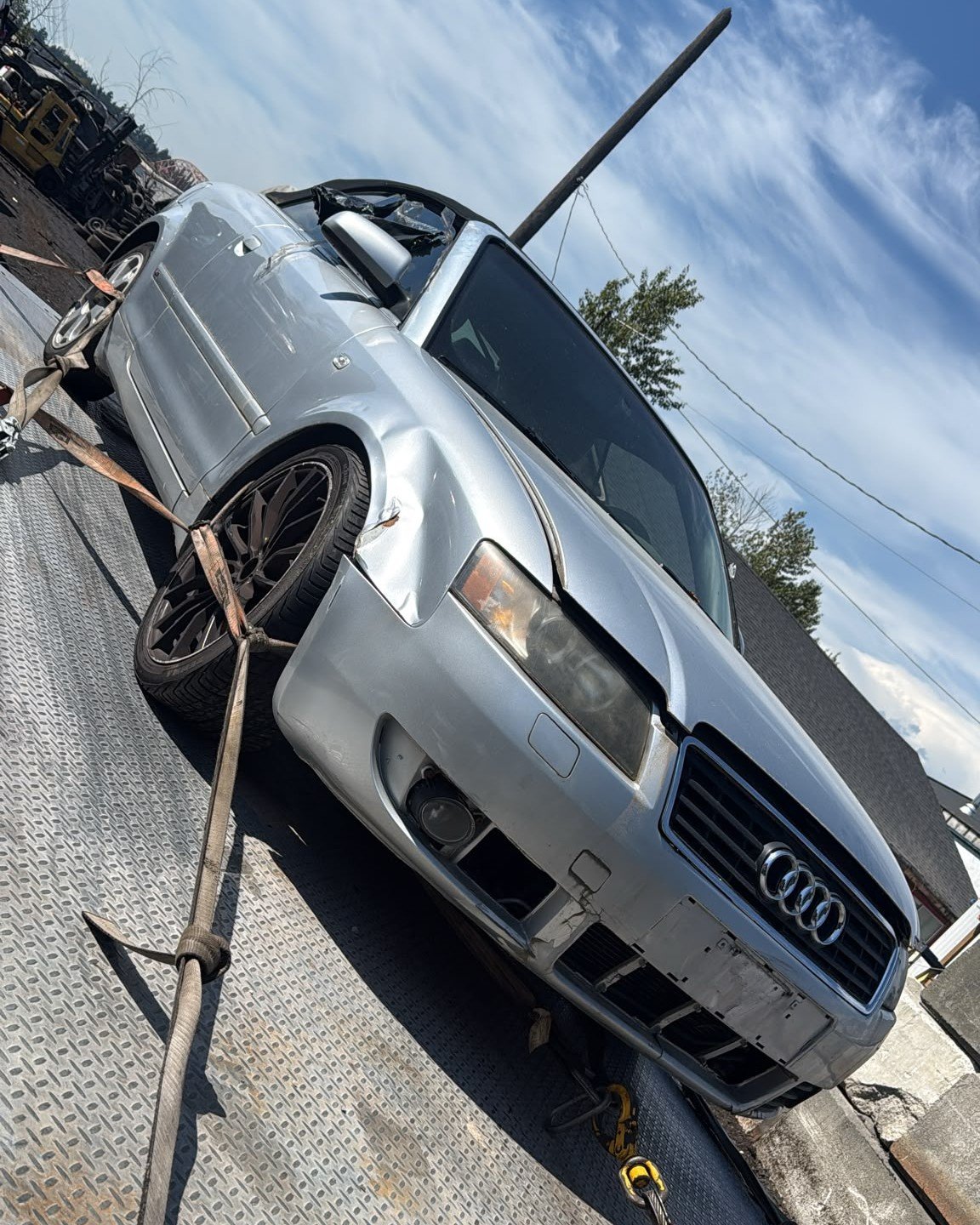
This approach is designed for an owner, office manager, or fleet coordinator arranging disposal of a vehicle the business no longer intends to keep. It is not a guide to buying components or sourcing replacements. The objective is a clear seller-side record and a sensible recycling plan that can be discussed with a prospective vehicle buyer or removal service.
Start with one file for each retired vehicle
Create a distinct record for every vehicle rather than one general note for an entire fleet. Give the file a plain internal reference, such as the unit number and year, make, and model. Add the vehicle identification number, plate number, business location, and the name of the person authorized to make the disposal decision. If the vehicle has been reassigned among crews or locations, record the most recent business use and the date it was removed from active service.
The record does not have to be complicated. Its value is that it lets a business answer ordinary questions consistently: Which unit is being disposed of? Who approved it? Where is it parked? What materials or equipment are still associated with it? What document trail exists after the transaction? These details also reduce the risk that a similarly coloured or similarly numbered vehicle is discussed by mistake.
Use a condition note, not a sales pitch
For a non-running or damaged vehicle, record observable facts: whether it starts, whether it can roll, obvious collision damage, missing wheels, flat tires, inaccessible parking, and any fleet decals or removable equipment. Note the odometer reading if it is accessible, but do not guess at mechanical faults or make claims you cannot support. A concise condition note makes it easier to describe the vehicle accurately when requesting a disposal discussion.
Before arranging a handoff, remove company tools, customer documents, keys not needed for the transaction, parking passes, fuel cards, telematics devices, and personal belongings. Make an internal note identifying who checked the cab, cargo area, glove compartment, and any locked boxes. This is a business-control step, not a statement about what a buyer will do with the vehicle.
Build a recycling plan around questions and records
A small-business recycling plan can be practical without pretending that the seller controls downstream operations. List the matters your business needs clarified, the records it wants to retain, and the local waste rules that affect its choices. In a conversation with a potential buyer or removal provider, ask what documentation they can provide for the transaction, who will be the receiving party, and whether there are any items the owner must remove first. Record the answer, date, and contact name in the vehicle file.
Vancouver’s official guidance provides an important boundary for planning around fluids or other materials that may be associated with an end-of-life vehicle. Items defined as “hazardous waste” under BC’s Environmental Management Act cannot be disposed of as garbage at Vancouver’s Landfill or Transfer Station. For a business, that is a reason not to treat waste oil, gasoline, diesel fuel, paint, or other potentially regulated material as ordinary garbage. It is also a reason to ask appropriate, fact-based questions before the vehicle leaves the company’s control.
The provincial framework applies to operators of vehicle-dismantling facilities, rather than turning a seller into a facility operator. Still, it gives a fleet coordinator a concrete point of reference when evaluating the disposal plan. A person that operates or plans to operate a facility that dismantles more than 5 wet vehicles in a calendar year must (a) have an environmental management plan for waste management, reduction or prevention, or (b) be a member of an association that has an environmental management plan for waste management, reduction or prevention. Owners can ask clear questions about the receiving party’s documentation and waste-management approach without claiming that a particular business operates a facility or follows a particular process.
Keep the transaction trail with the asset file
Put all relevant documents together: the internal approval note, current registration material, correspondence, photographs if your business uses them, condition note, signed sale or transfer documentation, and any receipt or confirmation supplied at handoff. Record the date, time, location, vehicle description, and names of the people involved. If the business has an accounting or asset register, mark the unit as pending disposal until the documentation is complete, then retain the final file under the company’s established retention practices.
ICBC’s seller guidance is especially relevant when the business transfers ownership rather than merely exploring options. If you cannot visit the Autoplan broker with the buyer, keep a copy (with original signatures from both you and the buyer) for your records. That exact step belongs in the business file. It supports a clear record of what was signed and makes it easier to reconcile the disposal event with internal asset and insurance administration. The registered owner should use ICBC and an Autoplan broker for the applicable transfer requirements rather than relying on an informal assumption.
Assign responsibilities before the conversation
For a small fleet, assign one decision-maker and one records contact. The decision-maker confirms that the business is ready to dispose of the unit. The records contact assembles the file, tracks documents, and ensures that any company equipment has been removed. If one person performs both roles, the file should still state that clearly. This avoids uncertainty when several staff members have used the vehicle or when a bookkeeper later needs to reconcile the asset.
- Confirm the registered owner and the person authorized to act for the business.
- Identify the vehicle by unit number, VIN, make, model, and current location.
- Record factual condition and access information without speculating about repairs or value.
- Remove business property and document the internal check.
- Ask for transaction documentation and keep copies with the vehicle file.
- Note local special-handling considerations instead of placing potentially regulated material in ordinary garbage.
This checklist does not guarantee an outcome, payment amount, timing, or acceptance decision. It is simply a disciplined way to prepare for a seller-side conversation and to retain a reliable record afterward.
A straightforward next step for Vancouver businesses
When you are ready to discuss disposal of an unwanted business vehicle in Vancouver, have the unit identification, location, condition summary, and authorization details available. Explain that you are looking for a seller-side disposal conversation and ask what information is needed to assess the vehicle. Keep your final decision tied to the records and recycling-plan questions that matter to your business.
We do not sell used parts.
For a Vancouver small-business vehicle disposal discussion, call 236-240-9618. Have your vehicle file nearby so you can describe the unit accurately and decide what documentation your business needs to retain.