
Navigating the lifecycle of an aging, non-running, or unwanted vehicle in East Vancouver can present unique logistical and environmental considerations. For residents living in the vibrant east-side community of Grandview-Woodland, dealing with a stationary car parked in a driveway, alleyway, or garage requires careful planning and adherence to municipal and provincial guidelines. Whether a vehicle has suffered terminal mechanical failure, sustained severe collision damage, or simply reached the end of its useful road life, property owners frequently seek structured pathways to clear space and responsibly manage automotive remnants. Call 236-240-9618 to discuss your vehicle.
Grandview-Woodland is one of Vancouver’s most culturally diverse and historically rich neighbourhoods, characterized by its distinct geographical boundaries and bustling commercial arteries. Bounded by Clark Drive to the west and Nanaimo Street to the east, the community spans a dynamic urban landscape featuring sloping terrain toward Burrard Inlet in the north and major transit corridors crossing through its interior. Navigating vehicle management within this dense urban setting demands an understanding of local infrastructure, municipal bylaws regarding stationary property, and proper environmental stewardship as outlined by British Columbia governing frameworks.
Understanding Grandview-Woodland Geography and Urban Layout
The urban geography of Grandview-Woodland significantly influences how residents handle property maintenance, vehicle storage, and scrap disposal logistics. The neighbourhood is intersected by major arterial roads such as Commercial Drive, often referred to locally as “The Drive”, which serves as a major cultural and commercial hub connecting south Vancouver to the Port of Vancouver waterfront. Additionally, Victoria Diversion and First Avenue cut diagonally and horizontally across the area, creating high-traffic intersections and dense residential blocks where roadside or alley space is at a premium.
Because residential properties in areas adjacent to Commercial Drive and Victoria Drive often feature shared laneways or compact multi-family parking pads, keeping an unmovable or broken-down car on site can obstruct traffic flow, violate neighbourhood aesthetic standards, or breach municipal property upkeep expectations. Furthermore, the neighbourhood’s proximity to significant public amenities, such as John Hendry Park and its central feature Trout Lake, reinforces a community-wide commitment to environmental cleanliness, public safety, and active neighborhood beautification. When an automobile ceases to operate reliably, leaving it neglected near public recreational spaces or cramped residential alleys is impractical and undesirable for local residents.
Regulatory Frameworks for Vehicle Recycling in British Columbia
Managing an end-of-life vehicle in British Columbia involves navigating specific provincial and municipal regulations designed to protect environmental integrity and public health. Under provincial guidelines such as the Environmental Management Act and the BC Recycling Regulation, automotive materials, including fluids, batteries, tires, and heavy metals, are classified as regulated products that require specialized handling and containment [1]. Improper abandonment or backyard dismantling of vehicles can lead to hazardous fluid leaks, soil contamination, and severe municipal penalties under City of Vancouver bylaws regarding public nuisance and nuisance properties.
Official provincial frameworks mandate that automotive components and scrap vehicle shells be processed through authorized channels equipped with proper fluid extraction systems, pollution control equipment, and recycling streams [2]. Residents seeking to dispose of an unwanted vehicle should always verify that the organization handling the vehicle operates transparently and complies with provincial environmental standards. Because regulatory compliance, recycling protocols, and operational workflows vary across different facilities, vehicle owners are encouraged to contact professional operators directly to inquire about specific service capabilities, documentation requirements, and administrative procedures.
The Operational Scope of Vehicle Buyers: What to Know
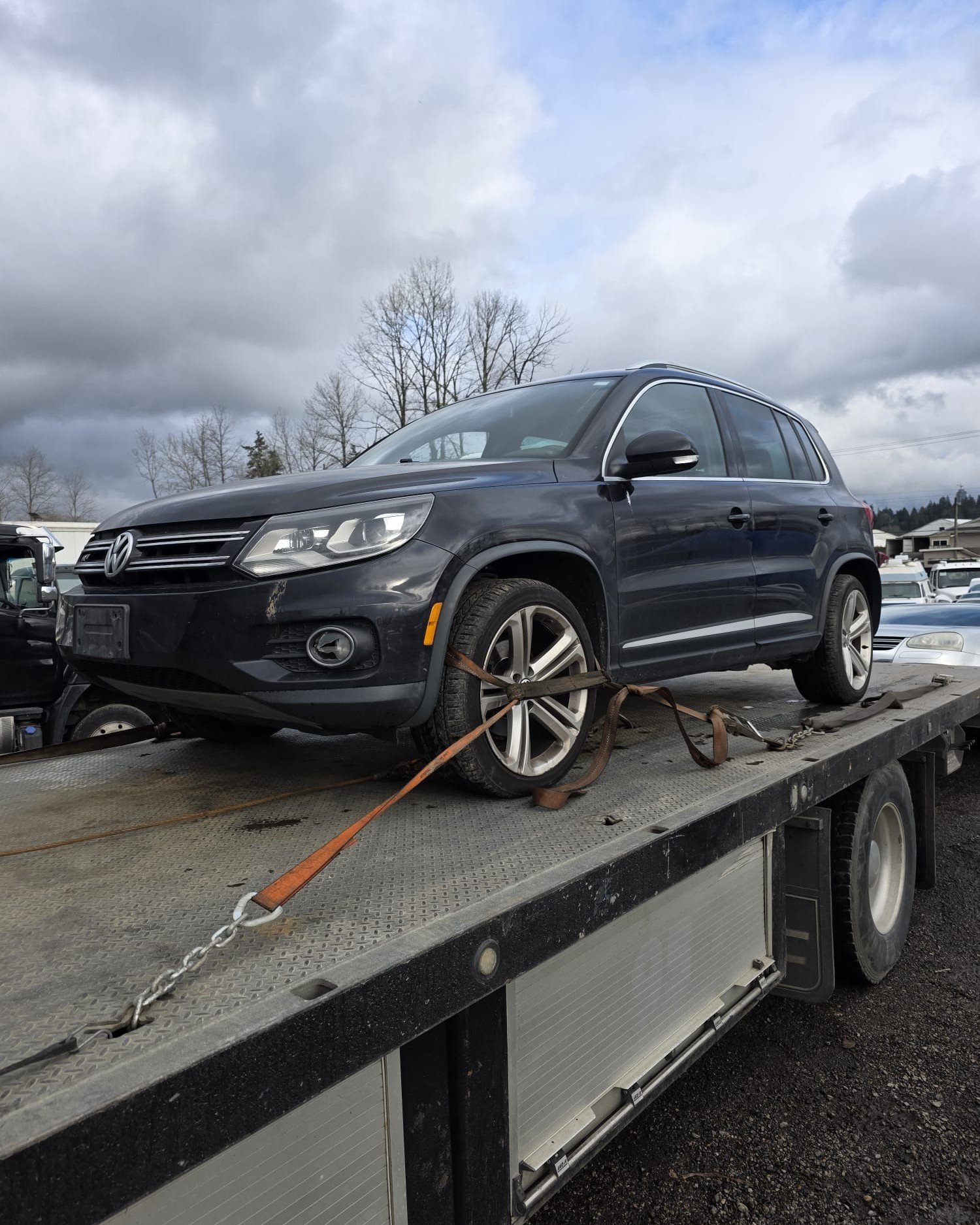
When property owners decide to part ways with a redundant or damaged vehicle, partnering with specialized automotive buyers provides a direct alternative to private selling or long-term storage. Companies such as We Buy Scrap Cars Vancouver focus entirely on acquiring unwanted vehicles directly from owners within the Vancouver service area. It is important for vehicle owners to understand the operational parameters of such businesses: We Buy Scrap Cars Vancouver buys unwanted vehicles and does not sell used parts.
Operating exclusively as vehicle purchasers rather than retail auto parts suppliers or mechanical repair garages, specialized scrap buyers streamline the intake process for cars, trucks, vans, and SUVs regardless of their mechanical condition. Whether an automobile is missing engine components, suffering from transmission failure, or simply worn out after decades of city driving, structured acquisition services offer an efficient method for clearing residential or commercial property space. Because every vehicle pickup and acquisition scenario is unique, readers must ask the business for commercial details regarding scheduling, valuation criteria, documentation, and pickup logistics.
Important Considerations Before Retiring an Automobile
Before releasing an unwanted vehicle to a professional buyer, owners should undertake several essential preparatory steps to ensure a smooth transition and protect personal security. First, all personal belongings, documents, garage door openers, and toll transponders must be thoroughly cleared from the interior compartments, glove box, and trunk. Overlooking personal items in a vehicle destined for recycling can lead to permanent loss of valuable paperwork or sentimental possessions.
Second, vehicle owners must address legal and administrative deregistration requirements. In British Columbia, notifying the Insurance Corporation of British Columbia (ICBC) and returning or cancelling insurance plates is a mandatory step when permanently retiring a motor vehicle. Proper transfer of ownership documentation ensures that liability is officially concluded, preventing any future administrative complications regarding insurance or municipal registration. To obtain precise instructions regarding provincial paperwork, vehicle transfer forms, and administrative compliance, owners should consult official ICBC resources or inquire directly with commercial vehicle buyers.
Evaluating Commercial Terms and Professional Inquiry
Engaging with a professional vehicle buyer requires open communication and direct inquiry regarding all operational terms. Because every transaction involves distinct variables, such as the exact geographical location within Grandview-Woodland, vehicle accessibility in tight laneways, gross weight, and market conditions for scrap metal, commercial terms cannot be generalized. Factors including specific pickup times, financial valuations, administrative fees, towing procedures, service coverage limits, and licensing credentials depend entirely on individual case specifics.
Vehicle owners should never rely on generalized assumptions or unverified claims regarding service assurances, pricing structures, or promptness of removal. Instead, proactive communication with the service provider is essential. To get accurate answers tailored to your specific situation, reach out to the team directly. For direct assistance with disposing of an unwanted vehicle in Vancouver, phone 236-240-9618 to discuss your vehicle details and commercial terms with We Buy Scrap Cars Vancouver.
Conclusion
Managing an unwanted, damaged, or non-running vehicle in the Grandview-Woodland neighbourhood requires balancing personal property needs with municipal and environmental responsibilities. By understanding local geography, from the commercial energy of Commercial Drive to the residential tranquility near John Hendry Park, and adhering to provincial environmental regulations, vehicle owners can clear unwanted space efficiently and responsibly. Remember that professional buyers specialize purely in purchasing unwanted automobiles without operating retail parts counters. To clarify any questions regarding quotes, pickup logistics, or administrative requirements, be sure to ask the business for commercial details and phone 236-240-9618 today.
Questions to discuss before you sell
Every vehicle and parking situation is different. Before making arrangements, ask the business directly about the commercial details that apply to your vehicle, including documentation and access considerations. For accurate information, call 236-240-9618.